
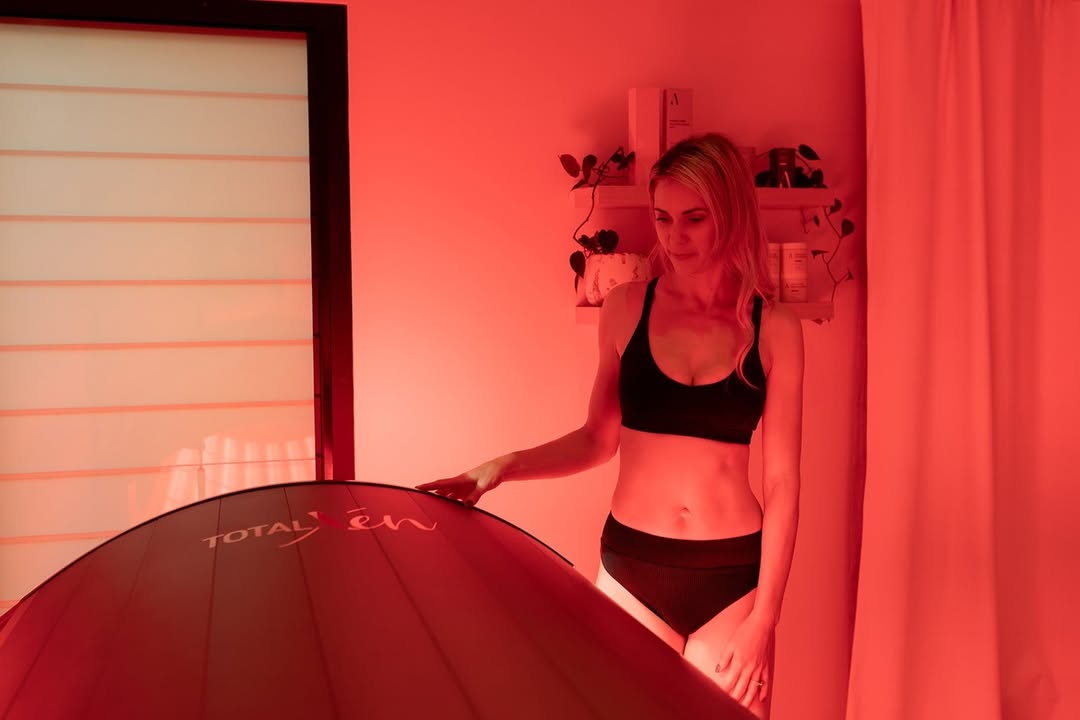
In recent years, LED light therapy panels have gained significant attention as a non-invasive and effective treatment option for a variety of skin concerns and health conditions. These innovative devices harness the power of specific wavelengths of light to promote healing, enhance skin rejuvenation, and alleviate pain. With the growing popularity of at-home beauty treatments and wellness practices, understanding the science behind LED light therapy is crucial for anyone looking to improve their overall skin health or address specific issues like acne, wrinkles, or inflammation.
This article delves into the fundamentals of LED light therapy panels, exploring their benefits, how they work, and what to consider when choosing the right panel for your needs. From the various light colors and their specific therapeutic effects to practical tips for using these devices effectively, we aim to provide a comprehensive guide that empowers readers to make informed decisions on incorporating LED light therapy into their wellness routine.
Understanding LED Light Therapy
LED light therapy operates on the principle of photobiomodulation, where specific wavelengths of light penetrate the skin at varying depths to promote cellular activity. Each color of light—such as red, blue, or green—targets different skin concerns; for instance, red light stimulates collagen production, while blue light effectively combats acne by reducing bacteria on the skin’s surface. The non-invasive nature of these treatments makes them accessible and appealing for individuals seeking to enhance their skin health or tackle specific conditions without the need for invasive procedures. Incorporating practices like Red Light Therapy For Performance can also support overall wellness by accelerating recovery and reducing inflammation.
Choosing the Right LED Light Therapy Panel
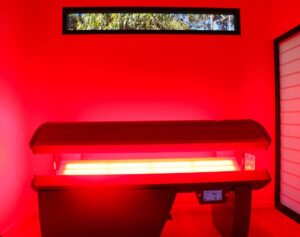
When selecting an LED light therapy panel, considerations such as the wavelengths emitted, device size, and treatment duration are essential to ensure you achieve optimal results. Panels with adjustable settings allow for tailored treatments suited to individual skin conditions, thus enhancing effectiveness. Additionally, look for panels with sufficient power output, as this influences the depth of light penetration. Understanding your specific skin needs and researching different products can help maximize the therapeutic benefits of your LED light therapy experience.
In conclusion, LED light therapy panels represent a groundbreaking approach to skincare and wellness that harnesses the natural healing properties of light to address a wide range of concerns. Their versatility, ease of use, and non-invasive nature make them a popular choice for those looking to enhance their beauty regimen or manage specific skin issues. By understanding the underlying principles of photobiomodulation and carefully selecting a panel that aligns with your individual needs, you can unlock the potential of this innovative treatment. With consistent use and a commitment to skin health, LED light therapy can be a valuable addition to your routine, providing long-term benefits and contributing to a radiant and youthful complexion.
About The Author
